
Does my pet know when I’m not feeling well?
Answer is YES — many pets can tell when you’re not feeling well, and they often change their behavior in surprisingly consistent ways. They don’t understand illness the way humans do, but they’re excellent at reading body language, scent changes, and routines, which makes them remarkably tuned in to your physical and emotional state.
The short answer
Your pet will likely notice when you’re sick or stressed, and they often respond with comforting or protective behaviors.
How does my pet sense that something is off?
- Body language cues — You move differently when you’re sick: slower, quieter, less coordinated. Pets pick up on that instantly.
- Scent changes — Illness, pain, and stress change your hormone levels. Dogs especially can smell cortisol spikes.
- Routine shifts — Sleeping more, skipping walks, staying in bed — pets notice deviations immediately.
- Tone of voice — A softer or strained voice can trigger concern or attention.
Dogs: the emotional barometers
Dogs are famously attuned to human emotion. When you’re unwell, they may:
- Stay closer than usual
- Follow you from room to room
- Act calmer or more protective
- Bring toys or try to “cheer you up”
- Sleep near you or on you
Some dogs can even learn to detect migraines, seizures, or blood sugar changes.
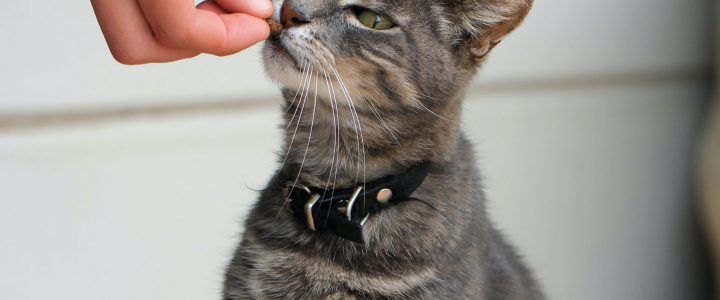
Cats: subtle but surprisingly attentive
Cats get a reputation for being aloof, but many become more affectionate when their humans are sick. You might see:
- Extra cuddling
- Sleeping on your chest or lap
- Grooming you
- Quiet companionship
- Reduced demands for play
Cats often respond to your stillness and warmth by staying close.
Even backyard poultry notice
Since you’ve asked about poultry before, it’s worth noting: Chickens and ducks respond to changes in your movement and energy. They may stay quieter around you or keep closer when you’re slow or tired.
Why do they do it?
Pets form strong social bonds. When your behavior changes, they interpret it as:
- “My human is vulnerable.”
- “My human needs comfort.”
- “Something is different; I should stay close.”
It’s not medical knowledge — it’s social awareness.